de Lilian Ciachir | iul. 28, 2019 | Admitere, Anunturi
SESIUNEA SEPTEMBRIE 2019
ÎNSCRIEREA CANDIDAŢILOR:
- 02-17 septembrie 2019 – online, accesând următorul link, sau la secretariatul facultății din Splaiul Independentei nr. 204
Program de înscrieri:
- luni–vineri: 9.00 – 14.00
- sâmbătă–duminică: 9.00 – 12.00
LocuriLocuri români de pretutindeni*Acte necesareAdmitereRezultate & precizări
Program de master cu dublă diplomă oferit în cadrul acordului cu Universitatea de Stat din Moldova, Facultatea de Istorie și Filosofie pentru programul de master Filosofii contemporane. Candidații care doresc să participe la acest program cu dublă diplomă vor trebui să fie înmatriculați concomitent la programul de master Istoria şi circulaţia ideilor filosofice și la programul de master Filosofii contemporane de la Universitatea de Stat din Moldova.
Pentru detalii suplimentare vă rugăm să ne contactați la office@filosofie.unibuc.ro
- 6 buget
- 32 taxă (3500 RON/an)
- 1 buget
- 48 taxă (3500 RON/an)
- 7 buget
- 39 taxă (3500 RON/an)
- 7 buget
- 36 taxă (3500 RON/an)
- 7 buget
- 37 taxă (3500 RON/an)
- 9 buget
- 38 taxă (3500 RON/an)
Programe de master organizate de Catedra UNESCO
- 3 buget
- 6 taxă (2000 EUR/an)
- 6 buget
- 11 taxă (3500 RON/an)
Precizări metodologie
* „Din categoria românilor de pretutindeni, fac parte, în conformitate cu prevederile Legii nr. 299/2007 privind sprijinul acordat românilor de pretutindeni, republicată, cu modificările şi completările ulterioare:
Persoanele care îşi asumă în mod liber identitatea culturală română, persoanele de origine română și cele aparţinând filonului lingvistic şi cultural românesc, care locuiesc în afara frontierelor României, indiferent de etnonimul folosit (armâni, armânji, aromâni, basarabeni, bucovineni, cuţovlahi, daco-români, fărşeroţi, herţeni, istro-români, latini dunăreni, macedoromâni, macedo-români, maramureşeni, megleniţi, megleno-români, moldoveni, moldovlahi, rrămâni, rumâni, valahi, vlahi, vlasi, volohi, macedo-armânji), precum şi toate celelalte forme lexicale înrudite semantic cu cele de mai sus,
Românii emigrați, fie că au păstrat sau nu cetățenia română, descendenții acestora, precum și cetățeni români cu domiciliul stabil sau reşedinţa în străinătate.”
-
SCRISOARE DE INTENŢIE (SE DEPUNE LA ÎNSCRIERE)
În limba engleză pentru programele cu predare în limba engleză
-
CERERE ȘI DECLARAȚIE DE ÎNSCRIERE (de la Secretariat)
-
DIPLOMA DE BACALAUREAT ÎN ORIGINAL (sau copie legalizată) *
-
DIPLOMA DE LICENŢĂ ÎN ORIGINAL (sau copie legalizată) * sau ADEVERINŢĂ ABSOLVIRE (pentru promoţia 2019)
-
SUPLIMENTUL LA DIPLOMA DE LICENŢĂ ÎN ORIGINAL (sau copie legalizată) *
-
Doar pentru candidaţii care au mai urmat sau urmează un program de master: DIPLOMA DE MASTER ÎN ORIGINAL SAU COPIE LEGALIZATĂ* ȘI ADEVERINȚA DIN CARE SĂ REZULTE FORMA DE FINANȚARE
-
COPIE LEGALIZATĂ CERTIFICAT DE NAŞTERE*
-
COPIE CARTE DE IDENTITATE
-
ADEVERINŢĂ MEDICALĂ
-
3 FOTOGRAFII (tip buletin)
-
DOSAR PLIC
-
TAXA DE ADMITERE – 170 RON (se achita la Secretariat sau accesând link-ul http://po.unibuc.ro).
Nu vor fi supuşi taxelor de înscriere la concursul de admitere candidaţii orfani de ambii părinţi, cei proveniţi din casele de copii sau din plasament familial, copiii personalului didactic în activitate şi copiii personalului încadrat în Universitatea din Bucureşti. Aceştia sunt scutiţi de plata taxei de înscriere la admitere o singură dată în cadrul Universităţii din Bucureşti (adeverinţa doveditoare în original)
* Se pot legaliza și de către secretariatul facultății, prin prezentarea originalelor actelor ce urmează a fi legalizate (diploma de bacalaureat sau adeverinţă absolvire, diploma de licenţă sau adeverinţă absolvire, certificat de naștere).
Admiterea la masterat (forma de zi):
1. Scrisoare de intenţie (se depune la înscriere)
2. Interviu: 18 septembrie 2019, ora 09.00
Pentru masteratele cu predare în limba engleză se dă test în cadrul interviului
Criterii de departajare pentru mediile egale:
-
media de la licenţă
-
media de promovare a anilor de studii de licență
În cazul în care după sesiunea de admitere din luna septembrie 2019 cifra de școlarizare de la masterul pentru care candidații au optat inițial nu va fi atinsă, candidații declarați admiși la acel masterat vor fi repartizați la masteratele cu cifra de școlarizare realizată, în conformitate cu propriile lor opțiuni.
Programe de master organizate de Catedra UNESCO
Candidaţii declaraţi admişi în sesiunea SEPTEMBRIE 2019 la programele de master organizate de Facultatea de Filosofie îşi pot confirma locurile la buget sau taxă prin depunerea documentelor necesare în zilele următoare: 20, 23 și 24 septembrie 2019 până la ora 14:00.
Pentru locurile la
BUGET
- diploma de bacalaureat în original
- diploma de licenţă în original sau adeverinţa de absolvire în original pentru promoţia 2019
TAXĂ
- confirmare taxă 500 lei
(achitarea sumei se va face la Casieria Universităţii din Bucureşti (din sediul Facultăţii de Drept). Pe chitanţă se va specifica “pentru Facultatea de Filosofie, taxă de studiu” sau prin OP în contul RO11 RNCB 0076 0104 5262 0304, deschis la BCR, Sector 5, Universitatea din București, Cod fiscal 4505502)
de Lilian Ciachir | iul. 8, 2019 | Anunturi, Avizier studenti
ÎNSCRIERI : 4-5 septembrie 2019
- SUSŢINERE LICENȚĂ: 9 septembrie 2019, ora 10.00
- SUSŢINERE DISERTAȚIE: 9 septembrie 2019, ora 12.00
LicențăDisertație
ÎNSCRIERI : 4-5 septembrie 2019
- SUSŢINERE LICENȚĂ: 9 septembrie 2019, ora 10.00
Dosarul va cuprinde:
- Cerere tip de înscriere ( pe cererea de înscriere se declară pe propria răspundere că s-a trimis lucrarea la următoarea adresă : – tezelicenta@filosofie.unibuc.ro)
- Declaraţia tip pe propria răspundere cu aprobarea profesorului coordonator
- Copie carte identitate
- Certificat de competenţă lingvistică în original şi copie
- Fişă de lichidare: bibliotecă (bibliotecă, social și contabilitate pentru seriile vechi)
- Certificat de naştere, în copie legalizată*
- Diplomă bacalaureat, în copie legalizată*
- 2 fotografii (pentru diplomă)
- Dosar plic
- Lucrarea de licenţă în format electronic şi pe suport de hârtie (cartonată, nu cu spiră)
- Rezumat
- Referatul profesorului coordonator.
- Formularul electronic pentru colectarea datelor de contact ale absolvenților accesibil la următoarea adresă absolventi.unibuc.ro
* Se pot legaliza și de către secretariatul facultății, prin prezentarea originalelor actelor ce urmează a fi legalizate (diploma de bacalaureat și certificatul de naștere).
ÎNSCRIERI : 4-5 septembrie 2019
SUSŢINERE DISERTAȚIE: 9 septembrie 2019, ora 12.00
- Istoria și Circulaţia Ideilor Filosofice
- Istoria și filosofia științei
- Filosofie Analitică (în limba engleză)
- Studii Europene și Etica Relaţiilor Internaţionale
- Studii de Dezvoltare Internațională și Etica Relațiilor Internaționale
- Filosofie, Politică și Economie (Philosophy, Politics and Economics)
- Etica Aplicată în Societate, Afaceri și Organizaţii
Dosarul va cuprinde:
- Cerere tip de înscriere ( pe cererea de înscriere se declară pe propria răspundere că s-a trimis lucrarea la una din adresele de mai jos, în funcție de masteratul absolvit)
- Lucrarea trebuie trimisă la următoarea adresă : disertatiistudiieur@filosofie.unibuc.ro ; disertatiidezvoltare@filosofie.unibuc.ro ; disertatiieticaap@filosofie.unibuc.ro ; disertatiianalitica@filosofie.unibuc.ro ; disertatiicirculatieidei@filosofie.unibuc.ro ; disertatiippe@filosofie.unibuc.ro
- Declaraţia tip pe propria răspundere cu aprobarea profesorului coordonator
- Copie carte identitate
- Fişă de lichidare: bibliotecă (bibliotecă, social şi contabilitate pentru promoțiile mai vechi)
- Certificat de naştere, în copie legalizată*
- Diplomă bacalaureat, în copie legalizată*
- Diplomă licenţă, în copie legalizată*
- 2 fotografii
- Dosar plic
- Lucrarea de disertaţie în format electronic şi pe suport de hârtie
- Rezumat
- Referatul profesorului coordonator
- Formularul electronic pentru colectarea datelor de contact ale absolvenților accesibil la următoarea adresă absolventi.unibuc.ro
* Se pot legaliza și de către secretariatul facultății, prin prezentarea originalelor actelor ce urmează a fi legalizate (diploma de bacalaureat, diploma de licență și certificatul de naștere).
de Lilian Ciachir | iul. 4, 2019 | Anunturi, Avizier studenti, Scoala Doctorala
Selecție grup țintă proiect EXCIA
„Excelență în cercetarea interdisciplinară doctorală și postdoctorală, alternative de carieră prin inițiativa antreprenorială”
Selecție grup țintă doctoranziSelecție grup țintă postdoctoranzi
de Lilian Ciachir | iun. 30, 2019 | Admitere, Anunturi, Avizier studenti, International
Facultatea de Filosofie scoate la concurs 20 de locuri cu bursă și la buget pentru românii de pretutindeni*:
- Licență: 16 locuri (9 cu bursă și 7 la buget)
- Master: 3 locuri (1 cu bursă și 2 la buget)
- Doctorat: 1 loc la buget
Calendar admitere licențăPrecizări metodologie
* „Din categoria românilor de pretutindeni, fac parte, în conformitate cu prevederile Legii nr. 299/2007 privind sprijinul acordat românilor de pretutindeni, republicată, cu modificările şi completările ulterioare:
Persoanele care îşi asumă în mod liber identitatea culturală română, persoanele de origine română și cele aparţinând filonului lingvistic şi cultural românesc, care locuiesc în afara frontierelor României, indiferent de etnonimul folosit (armâni, armânji, aromâni, basarabeni, bucovineni, cuţovlahi, daco-români, fărşeroţi, herţeni, istro-români, latini dunăreni, macedoromâni, macedo-români, maramureşeni, megleniţi, megleno-români, moldoveni, moldovlahi, rrămâni, rumâni, valahi, vlahi, vlasi, volohi, macedo-armânji), precum şi toate celelalte forme lexicale înrudite semantic cu cele de mai sus,
Românii emigrați, fie că au păstrat sau nu cetățenia română, descendenții acestora, precum și cetățeni români cu domiciliul stabil sau reşedinţa în străinătate.”
de Lilian Ciachir | iun. 29, 2019 | Admitere, Anunturi, Avizier studenti, International
Începând cu anul universitar 2019-2020 programul Istoria și circulația ideilor filosofice este parte a acordului de master cu dublă diplomă împreună cu programul Filosofii contemporane organizat de Departamentul de Filosofie și Antropologie, Facultatea de Istorie și Filosofie a Universității de Stat din Moldova.
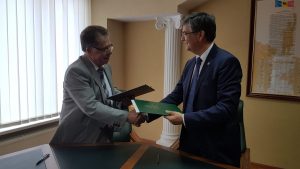 Acordul a fost semnat de Domnul Rector Prof. univ. dr. hab. Mircea Dumitru și de Domnul Rector Prof. univ. dr. hab. Gheorghe Ciocanu de la Universitatea de Stat din Moldova, cu ocazia vizitei desfășurate de o delegație a Universității din București la Chișinău în perioada 18-20 iunie 2019.
Scopul acestui acord este de a pregăti specialiști la nivel internațional în domeniul filosofiei prin schimbul de experiență și de practică atât la nivel de studenți, cât și la nivel de cadre didactice. Studenții înmatriculați la aceste programe de studii vor primi, după susținerea lucrării de disertație/tezei de master, două diplome: din partea Universității din București și a Universității de Stat din Moldova. Masteranzii vor studia trei semestre în universitatea gazdă și un semestru în universitatea parteneră.
În fiecare an un număr de maxim 7 studenți de la fiecare universitate vor lua parte la acest program. Înmatricularea se va realiza în baza concursului de admitere susținut de candidați în ambele universități.
Acest program de studii reprezintă o oportunitate unică pentru studenții noștri de a cunoaște alte metode de predare-învățare, de a-și lărgi accesul la sursele informaționale din universitatea parteneră și de a obține o diplomă europeană de prestigiu.
de admin | iun. 26, 2019 | Anunturi, Avizier studenti, Burse, ERASMUS

Erasmus+
Universitatea din București a decis în Biroul Executiv al Consiliului de Administrație din 24 iunie 2019 lansarea selecției pentru stagii de mobilități pentru stagii de practică în cadrul Programului ERASMUS, ce se vor derula în perioada iulie 2019 – 30 mai 2020, cu finanțare din fonduri ERASMUS 2018 – 2019, capitolul SMP (student mobility for placement), pentru un număr de 100 mobilități, cu un total de finanțare de 216.000 EURO.
Numărul de locuri rămase libere după această rundă de selecție vor fi scoase din nou la concurs în runda din luna octombrie 2019.
Selecția pentru aceste mobilități va avea lor la nivel central, la Biroul Erasmus+ al UB, nu la nivelul fiecărei facultăți, de catre o Comisie Centrala de selectie.
Candidații pot depune la Biroul ERASMUS+ al UB până la data de 4 iulie 2019 (ora 13:00) dosarele pentru selecție, respectiv :
- Curiculum vitae, format Europass, într-o limbă străină,
- Atestat de cunoaștere a unei limbi străine (copie) – recomandat nivel minim B2,
- Carnet de student, vizat de facultatea UB pentru anul academic 2018-2019,
- Scrisoare de motivație, într-o limbă străină,
- Plan de activități de practică pe durata stagiului Erasmus (care să conțină activitățile propuse a se desfășura în instituția gazdă) – se completează formularul Learning Agreement for Traineeship în 2 exemplare, semnate doar la nivel de facultate din UB. (descarcă Learning Agreement for traineeships 2018-2019),
- Scrisoarea de acceptare pentru perioada stagiului de formare Erasmus, semnată de instituția gazdă (opțional; reprezintă un plus la punctaj).
- Copie după cartea de identitate.
- Recomandare din partea conducătorului de lucrare de licență/dizertație/doctorat care să conțină acordul pentru respectivul stagiul de practică Erasmus (opțional, reprezintă un plus la punctaj).
Informatiile sunt disponibile la adresa https://unibuc.ro/international/programul-erasmus/studenti-erasmus-stagii-de-practica/.