Spinoza and the Art of Living
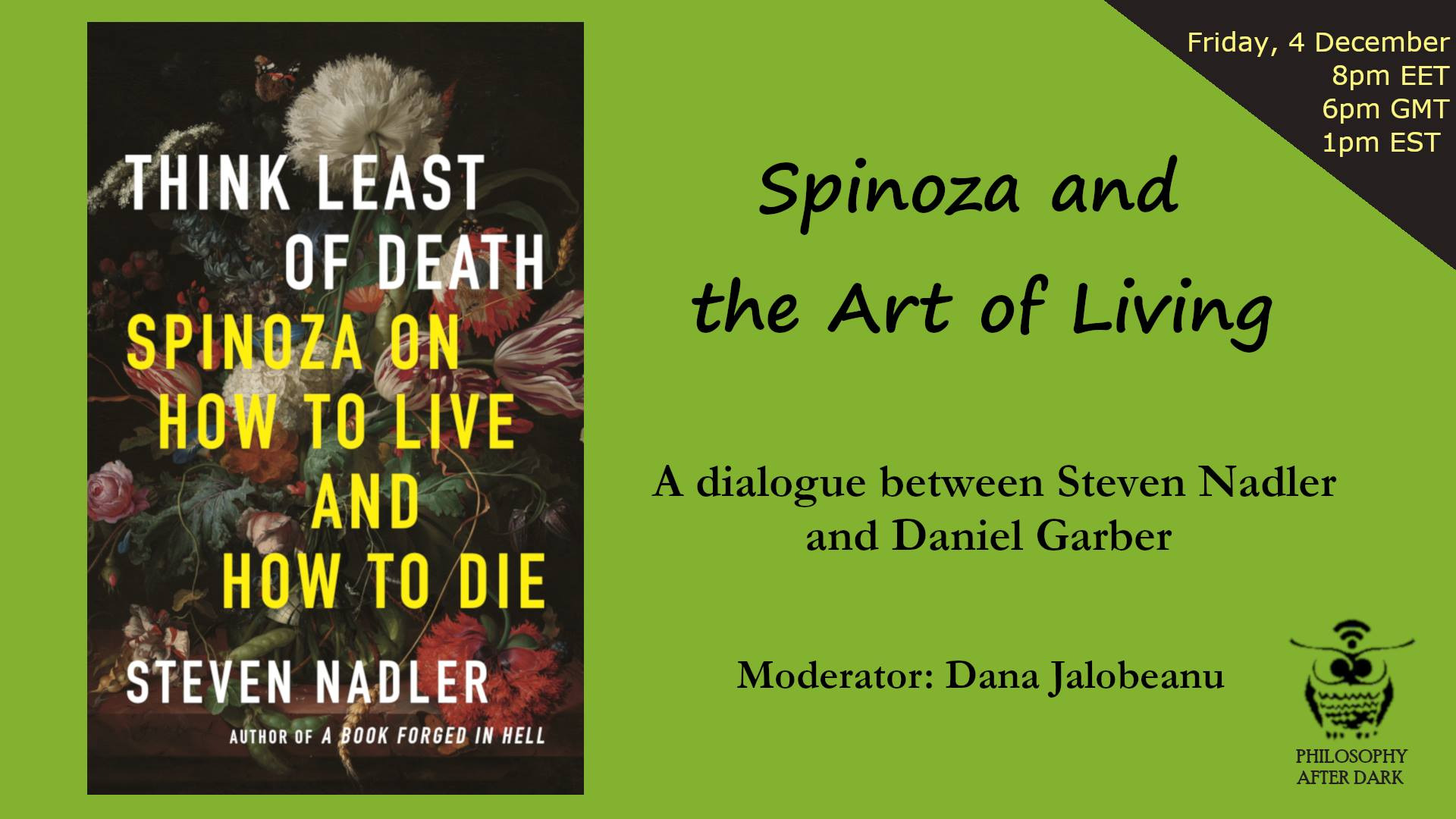


Marți, 1 decembrie 2020, la Princeton Bucharest Seminar in Early Modern Philosophy vorbesc foști sau actuali studenți ai Facultății de Filosofie.

Tariful de cazare în căminele Universității din București poate fi achitat prin transfer bancar, în contul: RO50TREZ70520F331400XXXX, deschis la TREZORERIA SECTOR 5, beneficiar Universitatea din București, CUI: 4505502
Pentru plata tarifului de cazare se va menționa, la detalii plată: căminul, numele studentului și perioada pentru care se achită tariful de cazare (luna/ lunile pentru care se achită).
Pentru ca plata să poată fi procesată cât mai repede, dovada plății va fi transmisă la administrația căminului, pe email.
Pentru orice informație vă rugăm să apelați la administrația căminului în care sunteți cazat.
Adresele de email unde va fi transmisă dovada plății tarifului de cazare, în funcție de căminul la care studentul este cazat, sunt:
1. A1 Grozăvești – camina1@unibuc.ro
2. A Grozăvești – camina@unibuc.ro
3. B Grozăvești – caminb@unibuc.ro
4. C Grozăvești – caminc@unibuc.ro
5. D Grozăvești – camind@unibuc.ro
6. M. Kogălniceanu – caminkogalniceanu@unibuc.ro
7. G2, G4, G5 Măgurele – caminmagurele@unibuc.ro
8. Th. Pallady 1, Theodor Pallady 2 – caminpallady@unibuc.ro
9. Fundeni – caminfundeni@unibuc.ro
10. Stoian Militaru – caminstoian@unibuc.ro
11. Poligrafie – caminpoligrafie@unibuc.ro
12. C Leu – caminleu@unibuc.ro
13. Gaudeamus – camingaudeamus@unibuc.ro
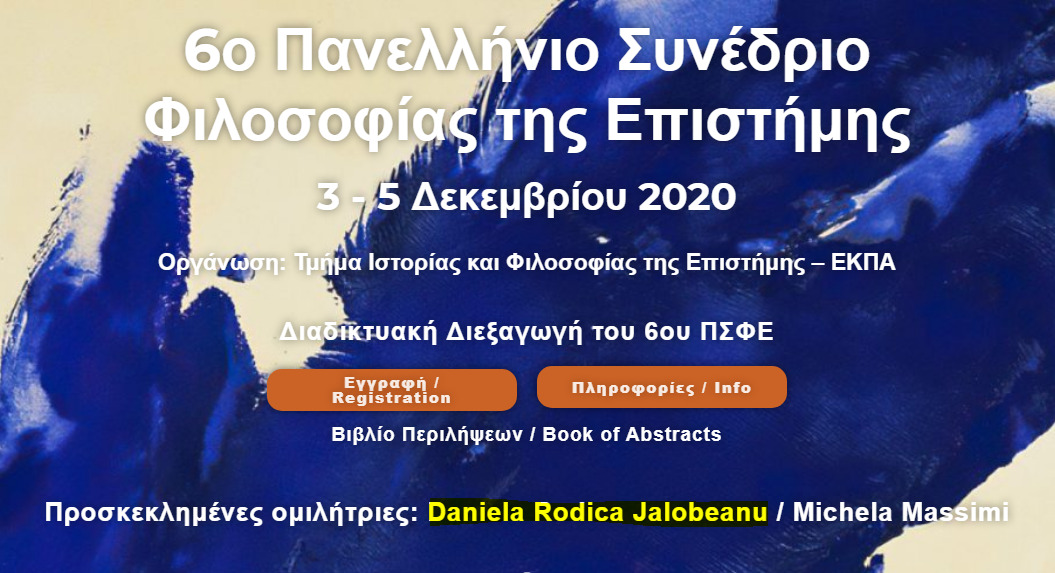
Colega noastră Dana Jalobeanu va interveni în 5 decembrie 2020 ca invited speaker în cadrul The Panhellenic Conference in Philosophy of Science, conferință organizată de National and Kapodistrian University of Athens – partener CIVIS.
Titlu conferință: Baconianism and Newtonianism: a history (and philosophy) of shifting historiographic categories
Anstract: Thomas Kuhn proposed them as opposing historiographic categories; and in doing so, he created the longlasting caricature of Baconian science, i.e., a large-scale enterprise of fact-gathering, pre-paradigmatic and non-specialized. By contrast, Newtonian science was paradigmatic, articulated and formalized. The two categories exemplified thus two stages in the development of science: science in its infancy and science at a mature stage. Kuhn’s divide was repeatedly criticized in the past decades; historians and philosophers have changed substantially the ways we talk about Baconianism and Newtonianism; and yet, some traces of the simplified contrasting image are still lingering. This paper aims to trace the history of these two historiographic categories, discussing the multiple changes of meaning they undertook and the variety of roles they played in discussions concerning methods, models and styles of doing science. My claim is that these two historiographic categories are particularly revealing and that tracing shifts in their meaning unveils key moments of the complex interplay between history of science and philosophy of science.

The Logic and Metaphysics Workshop will meet on November 30th from 4:15-6:15 (NY time) via Zoom for a talk by Mircea Dumitru (Bucharest).
Title: A Free Logic for Fictionalism
Abstract: In Reference without Referents, Mark Sainsbury aims to provide an account of reference that honours the common-sense view that sentences containing empty names like “Sherlock Holmes”, “Vulcan”, and “Santa Claus” are entirely intelligible, and that many such sentences — “Vulcan doesn’t exist”, “Many children believe that Santa Claus will give them presents at Christmas”, etc.— are literally true. Sainsbury’s account endorses the Davidsonian program in the theory of meaning, and combines this with a commitment to Negative Free Logic, which holds that all simple sentences containing empty names are false. In my talk, I pose a number of problems for this account. In particular, I question the ability of Negative Free Logic to make appropriate sense of the truth of familiar sentences containing empty names, including negative existential claims like “Vulcan doesn’t exist”.
Note: this is based on joint work with Frederick Kroon (Auckland).
Source: https://logic.commons.gc.cuny.edu/2020/11/20/a-free-logic-for-fictionalism-mircea-dumitru/

|
Nr.crt. |
Coordonator științific |
Titlul lucrării |
|
|
1. |
Lect. dr. Marin Bălan |
FILOSOFIA EDUCAȚIEI · Filosofia analitică și educația; · Abordarea „caring” în educație; · Etica în educație; · Metoda socratică, ieri și azi; · Filosofie și învățare; FILOSOFIE PENTRU COPII · Orientări și direcții în filosofia pentru copii; · Filosofia pentru copii și filosofia academică; · Mirarea copiilor și filosofia; · Dezvoltarea cognitivă a copilului și filosofia; · Lipman despre gândirea critică, gândirea creativă și gândirea caring; · Întrebările în filosofie și filosofia pentru copii, FILOSOFIE MEDIEVALĂ · Modele de reconstrucţie a filosofiei medievale; · Rațiune vs. Autoritate; · Scepticism, credință și cunoaștere; · Există continuitate între ştiinţa medievală şi cea modernă? · Esența și existența lui Dumnezeu ; · Proiectul metafizicii aristoteliciene în Evul Mediu. Comentariile medievale la Metafizica; · Providența divină și liberul arbitru ; · Viciu şi păcat ; · Augustin despre furt (comentariu la Confesiuni, II); |
marin.balan@filosofie.unibuc.ro
|
|
2. |
Prof. dr. Viorel Cernica |
· Filosofia cunoașterii la Lucian Blaga · Filosofia religiei la Mircea Eliade · Valoare culturală şi ideal de viaţă · Divertismentul ca fenomen cultural · Filosofie și teologie în fenomenologia franceză |
|
|
3. |
Lect. dr. Ileana Dascălu |
· „Dreptatea socială în filosofia lui John Rawls” · „Filosofia și practica educației pornind de la John Dewey” |
ileana.dascalu@filosofie.unibuc.ro
|
|
4. |
Conf. dr. Sebastian Grama |
· „Abordări alternative în descoperirea aptitudinilor filosofice ale elevilor de liceu” · „Predarea tehnicilor de construire a textului filosofic” · -„Metode de abordare a raportului raţiune/imaginaţie în exerciţiul filosofic” |
|
|
5. |
Lect. dr. Emilian Mihailov |
· „Etica lui Kant – problematizări contemporane” · „Utilitarismul și metoda calculului moral” · „Analiză și argumentare în etică – probleme de etică aplicată în contextul României” |
emilian.mihailov@filosofie.unibuc.ro
|
|
6. |
Prof. dr. Mihaela Pop |
· „Formă și valoare în opera de artă. Modalități de familiarizare a elevilor cu fenomenele culturale” · „Formă și simbol în gândirea culturală” Modalități de educare culturală” · „Rolul hermeneuticii și al fenomenologiei în înțelegerea fenomenelor culturale” · „Conflictul valorilor în societatea contemporană. Modalități de familiarizare a elevilor cu semnificațía lor” |
mihaela.pop@filosofie.unibuc.ro
|
|
7. |
Prof. dr. Laurențiu Staicu |
· „Metafizică/Ontologie” · „Filosofia științei/Filosofia biologiei” · „Metafilosofie/Etică aplicată” · „Filosofie aplicată/Consiliere filosofică” |
laurentiu.staicu@filosofie.unibuc.ro
|
|
8. |
Prof. dr. Constantin Stoenescu |
· „Cunoașterea ca opinie adevărată și întemeiată. Metode de analiză a conceptelor filosofice” · „Conceptul intuitiv al adevărului și teoria adevărului corespondență. Procedee euristice ale teoretizării filosofice” · „Problema surselor cunoașterii. Empirismul și raționalismul ca tradiții de gândire filosofică. Metoda dezbaterii filosofice” |
constantin.stoenescu@filosofie.unibuc.ro
|
|
9. |
Conf. dr. Gheorghe Ștefanov |
· „Problema urmării de reguli în Cercetări filosofice (Ludwig Wittgenstein)” · „Argumentul limbajului privat în Cercetări filosofice (Ludwig Wittgenstein)” · „Filosofia acțiunii la Elizabeth Anscombe” |
gheorghe.stefanov@filosofie.unibuc.ro
|
|
10. |
Prof. dr. Viorel Vizureanu |
· „Probleme fundamentale ale filosofiei moderne, de la Descartes la Nietzsche” · „Subiectivitatea și obiectivitatea ca elemente definitorii pentru o structură mentală a modernității” |
viorel.vizureanu@filosofie.unibuc.ro
|