de lavi | iun. 14, 2014 | Call for papers
CALL FOR PAPERS: Volum – Hermeneutica ideii de filosofie romaneasca. Sunt invitati sa contribuie cu articole ale cercetarilor intreprinse participantii la Simpozionul Hermeneutica Ideii de Filosofie Romaneasca, organizat de Facultatea de Filosofie a Universitatii din Bucuresti si de CCIIF- Centrul de Cercetare a Istoriei Ideilor Filosofice in perioada 8-9 nov. 2013. Textele pot fi trimise in format electronic la adresa: volumfilosofieromaneasca@gmail.com. Articolele în format electronic vor fi trimise ca atasamente de tip Word Document(.doc) sau Rich Text Format(.rtf). Lungimea textelor trimise trebuie sa respecte limita de maxim 15 pagini (cca 7500 cuvinte). Pentru aspectele care tin de sectiunea Corp-text, se va tine cont de urmatoarele conditii: TNR, 12 points, justified, 1.5 lines.
Deadline 30 august 2014. In termen de 2 saptamani de la primirea textului, autorul va fi anuntat in privinta acceptarii sau respingerii lucrarii. Volumul va fi publicat la Editura Universitatii din Bucuresti.
de lavi | mart. 10, 2014 | Call for papers
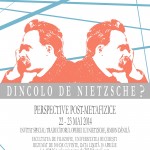 A P E L L A C O N T R I B U Ţ I I
Dincolo de Nietzsche?
Perspective post-metafizice asupra gândirii sale
Cititorii lui Nietzsche tind să se grupeze, de regulă, în două tabere opuse: nietzscheeni sau anti-nietzscheeni. Întrebarea din titlu, cea de la care încercăm să pornim o discuţie pertinentă, nu are însă în vedere această împărţire, devenită deja un stereotip.
Ne întrebăm: din ce motiv solicită gândirea lui Nietzsche o astfel de poziţionare radicală faţă de ea însăşi? Nu cumva acest filozof confruntă filozofia tradiţională cu o situaţie extremă, şi anume cea a capătului şi sfârşitului său? Nu cumva odată cu el ceva de felul unui „post-” începe să-şi facă simţită prezenţa?
Astfel, pentru Heidegger (la a cărui interpretare s-au raportat apoi toate celelalte), Nietzsche este gânditorul împlinirii acelei tendinţe generale a metafizicii prin care subiectivitatea este pusă ca temei al întregii fiinţări. Subiectivitatea se împlineşte în ceea ce Nietzsche a numit „voinţa de putere”. Fiind cel care duce la capăt tendința cea mai intimă a metafizicii, Nietzsche este totodată acela cu care discursul metafizic se încheie, epuizându-şi posibilităţile. După Heidegger, gândirea lui Nietzsche încarnează astfel metafizica în împlinirea (încheierea) ei, devenind totodată cea prin care depășirea discursului metafizic nu este doar o posibilitate, ci chiar o necesitate. În raport cu această situare în cadrul filozofiei occidentale, Nietzsche este reperul unui „dincolo” şi al unui „dincoace” al metafizicii în genere.
Pe de altă parte, filozofi precum G. Bataille, E. Fink, E . Levinas, M. Merleau-Ponty, G. Deleuze, M. Foucault, J. Derrida, R. Rorty, G. Vattimo sau J.-L. Marion apelează la Nietzsche dintr-o perspectivă în unele privinţe opusă lui Heidegger, neîmpărtăşind tendinţa acestuia de a recupera un sens al fiinţei şi de a regăsi un sens originar al logos-ului. Altfel spus, ei înţeleg acest concept într-un mod diferit de Heidegger, punând accent pe ideea multiplicităţii voinţelor de putere, aspect în virtutea căruia voinţa de putere este doar o configuraţie cu o stabilitate relativă a unor forţe diverse. În baza unei astfel de observaţii, voinţa de putere nu ar putea fi concepută ca un principiu metafizic, aşa cum o considera Heidegger.
Din orice unghi am privi însă temele lui Nietzsche – raportul dintre cunoaştere şi putere, joc şi devenire , alături de concepte precum voinţa de putere, „ştiinţa veselă”, depăşirea esenţei şi a totalităţii, derealizarea, distrugerea idolilor, interpretarea, perspectivismul –, ele rămân fundamentale pentru însăşi definirea discursului post-modern , dovedindu-se hotărâtoare pentru multe din orientările filozofice ale secolului XX: hermeneutica şi neopragmatismul, poststructuralismul şi deconstructivismul, „gândirea slabă” etc.Pe de altă parte, filozofi precum E . Levinas, J. Derrida, J.-L. Marion, E. Fink, G. Deleuze, M. Foucault, M. Merleau-Ponty, R. Rorty dar și G. Bataille sau G. Vattimo apelează la Nietzsche dintr-o perspectivă uneori de-a dreptul opusă lui Heidegger, neîmpărtăşind tendinţa acestuia de a recupera un sens al fiinţei şi de a regăsi un sens originar al logos-ului. Pentru aceştia, raportul nietzschean dintre cunoaştere şi putere, joc şi devenire , „ştiinţa veselă”, depăşirea esenţei şi a totalităţii, derealizarea, distrugerea idolilor, interpretarea, perspectivismul etc. sunt teme mai atrăgătoare decât voinţa de putere înţeleasă în stil heideggerian . Din orice unghi am privi însă temele lui Nietzsche, ele rămân fundamentale pentru însăşi definirea discursului post-modern .
Întrebarea din titlu, „Dincolo de Nietzsche?”, vizează atât felul în care înţelegem relaţia lui Nietzsche cu metafizica tradiţională şi încercarea sa de a o depăşi, cât şi modul în care ne situăm, noi înşine faţă de gândirea lui şi faţă de această depăşire. Ce înseamnă aşadar „a depăşi”? Este oare vorba de un proces încheiat de Nietzsche, sau de un mod de a filozofa caracteristic „post-modernismului” sau chiar majorităţii curentelor filozofiei continentale ale secolului XX? Dacă aşa par să stea lucrurile, cum se lasă atunci identificat acel ceva către care are loc depăşirea? Ce relevanţă filozofică capătă prefixul „post-”?
Aceste câteva întrebări doresc să provoace o discuţie în jurul gândirii lui Nietzsche şi a importanţei sale filozofice. Îi invităm pe toţi cei interesaţi să-şi aleagă liber modalitatea de abordare, fie pornind de la conceptele clasice ale filozofiei sale, fie pornind de la interpretările moderne şi contemporane ale acesteia.
În peisajul traducerilor româneşti din opera lui Nietzsche există actualmente două proiecte de traducere majore: seria de autor Friedrich Nietzsche de la editura Humanitas şi ediţia de opere complete realizată de traducătorul şi filologul Simion Dănilă după binecunoscuta ediţie Colli-Montinari la editura Hestia din Timişoara. În calitate de invitat special al acestui colocviu, domnul Simion Dănilă va vorbi despre experiența sa ca traducător al operei lui Nietzsche de pe pozițiile unui filolog.
Colocviul de faţă se adresează cu precădere tinerilor cercetători (masteranzi, doctoranzi etc.), dar totodată se doreşte a fi un prilej de a-i pune în contact pe aceştia cu cercetătorii care au deja experienţă în domeniu.
Timpul alocat fiecărei conferinţe va fi de 30 minute, alte 15 minute fiind rezervate dezbaterilor.
Cei care doresc să participe sunt rugaţi să trimită până la data de 30 aprilie 2014 un rezumat de aproximativ 300 de cuvinte la adresa: colocviunietzsche2014@gmail.com, cu menţiunea „Colocviu Nietzsche 2014” în titlu, programul final al colocviului urmând să fie anunţat pe 7 mai 2014.
Colocviul se va desfășura în perioada 22-23 mai 2014 la Facultatea de Filosofie a Universității din București.
Organizatori: Centrul de Studii Fenomenologice (Universitatea din Bucureşti) & Centrul de Hermeneutică, Fenomenologie şi Filosofie practică (Facultatea de Filosofie şi Ştiinţe Social-Politice, Universitatea „Alexandru Ioan Cuza” din Iaşi).
Persoane de contact: Dr. Cristian Mladin (porfyrus@yahoo.de), Iulian Apostolescu M.A. (iulian.apostolescu@phenomenology.ro).
APEL-Nietzsche
de lavi | feb. 28, 2014 | Call for papers
 ARTA CA EXPERIENȚĂ ȘI EXPERIENȚA CA ARTĂ
Arta secolului XX a adus în atenție rolul pe care îl are acțiunea, experiența nemijlocită în domeniul artistic. Aceasta poate fi înțeleasă atât ca proces finalizat, cât și ca proces în desfășurare. Ea mai poate fi gândită ca experiență intensă, trăită cu toată ființa sau dimpotrivă, ca experiență parțială, indiferentă, neangajantă. Ea este plăcută sau dureroasă, implicând emoționalul și volitivul cât și corpul în deplinătatea lui fizică. În plus, experiența se produce prin interacțiunea omului cu lumea, cu celălalt iar această relație conferă semnificații și devine valorizatoare.
Experiența artistică are în vedere actul creației, iar experiența estetică se referă în primul rând la percepție și satisfacție estetică. Arta reunește relația dintre acțiune și satisfacția estetică, îmbină producerea creativă cu energia receptării. În ultimele decenii separarea dintre estetic și practic a fost eliminată. Arta și viața, creația artistică și experiența cotidiană nu trebuie separate căci ele se află într-o continuitate evidentă afirmă John Dewey. În acest fel, scopul fundamental al artei nu mai este o anume cunoaștere, ci o îmbogățire a experienței de viață. Arta este gândită ca experiență vie de tip cultural și social.
Experiența ca artă presupune un subiect care să experimenteze prin receptare. Arta ca experiență este o formă vie a realității pe care o experimentăm, nu mai este o imitare a ei. Experiența artei are efecte care pătrund adânc și în alte domenii ale vieții, cele non-artistice. Se produce astfel lărgirea granițelor artei, de la arta înaltă a muzeelor, spre arta de consum și mai departe spre arta modelării vieții și ființei umane.
De la teatrul de varietăți încurajat de futuriști și seratele suprarealiștilor la evenimentele artistice organizate de John Cage, mișcarea Fluxus sau happening-urile lui Allan Kaprow sau performance art, instalații, media art, o multitudine de mișcări artistice ale ultimei jumătăți de secol explorează tema experienței nemijlocite în artă.
Ce presupune această manieră de a face artă, ce modificări sunt aduse gândirii estetice și cât de dramatice sunt acestea, care sunt consecințele asupra noțiunilor de estetică și creație artistică sunt câteva întrebări la care vă invităm să găsim împreună răspunsuri.
Trimiteți un rezumat de 500-600 cuvinte cu menționarea a 3-5 lucrări de referință până la data de 25 martie la adresa conferinta_filosofia_artei@yahoo.ro
Conferința va combina momente de prezentări teoretice cu discuții aplicate în cadrul unor mese rotunde la care se vor adăuga scurte momente performative și expoziții artistice.
de lavi | feb. 14, 2014 | Call for papers, featured
Conferinţa Naţională Identitate şi Reprezentare
-(De)Construcţii (Post)Moderne ale Subiectului-
Ediţia a III-a, 9 mai 2014
În plină epocă a globalizării, în care identitatea este asumată convenţional ca un proiect transcultural, implicând procese narative ori practici şi reprezentări simbolice ale sinelui, problema Subiectului apare discutată prin prisma unor (de)construcţii (post)moderne.
Rând pe rând, capitalismul artistic, construcţiile culturale care confruntă subiectul cu problema genului şi limitele corporalităţii, ori reprezentările digitale ale sinelui au fost dezvoltate prin conţinuturi şi metode interdisciplinare.
Cuplul conceptual identitate- reprezentare a fost expus, prin prisma tuturor rezistenţelor şi corespondenţelor sale, în orizontul eticii, esteticii, artei, filosofiei minţii, filosofiei socio-politice, filosofiei religiei, filosofiei imaginarului, fenomenologiei, epistemologiei.
Call for papers:
Pornind de la acest context, stimulând cercetarea interdisciplinară şi dialogul academic dintre studenţi, masteranzi, doctoranzi şi tineri cercetători, Facultatea de Filosofie, din cadrul Universităţii din Bucureşti, cu sprijinul ADCF-Asociaţia Doctoranzilor şi Cercetătorilor şi al CCIIF-Centrul de Cercetare a Istoriei Ideilor Filosofiei, organizează Conferinţa Naţională Identitate şi Reprezentare, (De)Construcţii (Post)Moderne ale Subiectului, aflată la cea de-a III-a ediţie.
Lucrările conferinţei, desfăşurate pe secţiuni paralele, vor consta în prezentări de maximum 20 de minute ale unor lucrări individuale originale, urmate de discuţii. Lucrările propuse spre prezentare în conferinţa naţională vor fi selecţionate de către un comitet de selecţie format din profesori şi cercetători.
Cele mai bune comunicări, traduse de autori în limba engleză, vor fi publicate în Analele Universităţii Bucureşti. Seria filosofie, publicaţie editată de Facultatea de Filosofie.
Deadline pentru înscrieri
În vederea validării aplicațiilor, participanții sunt invitați să trimită un rezumat extins de 800-1000 de cuvinte al lucrării (inclusiv bibliografie) însoțit de un CV pe adresa de email: fil.identitate.reprezentare@gmail.com
Deadline-ul pentru trimiterea abstractelor şi a CV-urilor este 31 martie 2014.
Comunicarea rezultatelor selecţiei va avea loc în data de 14 aprilie 2014. Rezultatele vor fi expuse atât pe site-ul oficial al Facultății de Filosofie cât și pe pagina web a conferinței.
Pe durata conferinței, participanților din provincie li se poate asigura cazare contra cost la Căminele Universităţii din Bucureşti. Solicitarea unui loc de cazare va fi consemnată de către participanți în cadrul procesului de înscriere.
Comitetul de organizare :
Prof. dr. Romulus Brâncoveanu, Facultatea de Filosofie, Universitatea din Bucureşti
Conf. dr. Viorel Vizureanu, Facultatea de Filosofie, Universitatea din Bucureşti
Conf. dr. Constantin Stoenescu, Facultatea de Filosofie, Universitatea din Bucureşti
Mrd. Oana Şerban, Facultatea de Filosofie, Universitatea din Bucureşti
Date de contact
Conferinţa se va desfăşura la sediul Facultăţii de Filosofie, Universitatea Bucureşti, Splaiul Independenţei nr. 204, Bucureşti, în data de 9 mai 2014.
Pentru informații suplimentare : Oana Camelia Șerban, Facultatea de Filosofie, Universitatea din București, email : serbanoanacamelia@gmail.com
de lavi | feb. 6, 2014 | Call for papers
General Presentation and Submission Information
The Annals of the University of Bucharest, Philosophical series, is a philosophical research journal, published by the University of Bucharest, Faculty of Philosophy.
The Annals of the University of Bucharest, Philosophical series, is a scholarly double blind peer reviewed journal. The journal publishes articles considered of relevance for those interested in the field of philosophy and is addressed both to the Romanian and international philosophical community, with a special accent on East- and Central-European area.
The Annals of the University of Bucharest, Philosophical series, is devoted to the exploration of different topics of Philosophy.
All contributions developing an original research coming from different areas of philosophy are welcome and should be sent by e-mail as attachment. Manuscripts should be submitted to the editor at annals.philosophy@ub-filosofie.ro. Submission implies that the manuscript has not been published elsewhere.
Previous editions of our journal may be read at: http://www.filosofie.unibuc.ro/anale
Manuscript preparation
All manuscripts should be formatted in Rich Text Format file (*rtf) or Microsoft Word document (*doc) with 12 pt. font size and double-spaced, in Rich Format Style. Authors should use the author-date system documentation style, as it is presented in The Chicago Manual of Style, 16th edition.
Authors should limit the paper submission to 8000 words, including footnotes and references. Manuscripts will be written in English only. Papers should have an abstract and key words. The authors assume all responsibility for the content and originality of the article published in the journal.
Deadline
For The Annals of the University of Bucharest, Philosophical series, Philosophical series, No.1, 2014, all contributions are welcome by the 1st of May 2014.
de lavi | ian. 17, 2014 | Call for papers
CENTRUL DE CERCETARE ÎN ETICĂ APLICATĂ
Call for Papers:
Etica sexualităţii şi a dragostei
CCEA vă invită să participaţi cu lucrări la ediţia a II-a a conferinţei Etica sexualităţii şi a dragostei. Se adreseazǎ studenţilor, masteranzilor, doctoranzilor şi cercetǎtorilor.
Data: Joi, 13 martie 2014
Locul: Facultatea de Filosofie
Data limită de înscriere: 24 februarie 2014
Se vor trimite următoarele date pe adresa de e-mail conferinta_etica_sexualitatii@yahoo.com :
Nume, Nivel de studii, Universitatea, Facultatea,
Titlul contribuţiei şi Rezumatul – 600-800 cuvinte
Comunicarea rezultatelor selecţiei: 1 martie
Anunţarea programului: 5 martie
Organizatori:
Drd. Maria Buleu
Drd. Simona Gheorghiu
Drd. Adina Marinescu
Drd. Marina Ţicmeanu